Join industry experts to gain practical tools and insights in organizational design. Boost your skills and make a lasting impact – register today!

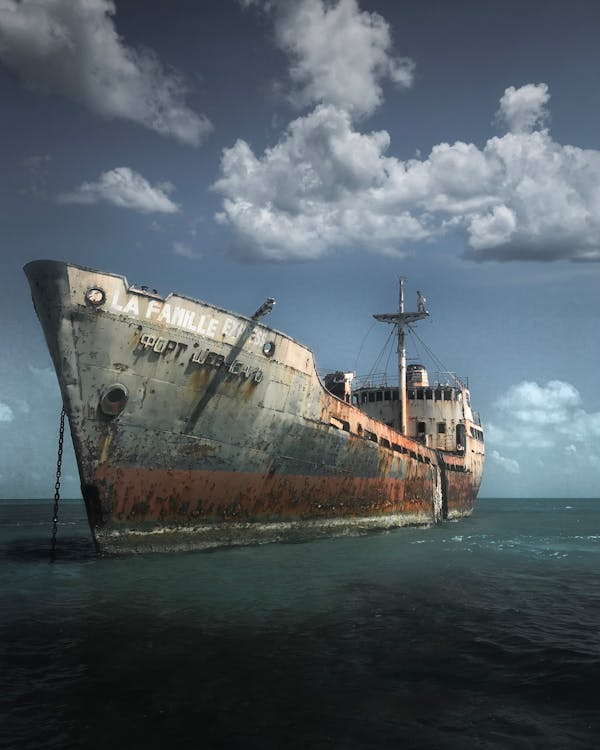
This course provides an overview of all significant aspects and considerations of cathodic protection for those who are for responsible for cathodic protection systems, measuring the effectiveness of cathodic protection systems and/or recording this data, including pipeline design engineers, pipeline operations engineers, corrosion engineers, materials engineers, design engineers, mechanical engineers, inspection engineers, chemical engineers, marine maintenance people, offshore structure design and operation people, CP field personnel, supervisors and other technical staff.
Dr. Antonio Martinez is a Chemical Engineer with a Doctorate in Physics-Chemistry and Corrosion, bringing over 40 years of expertise in the petrochemical, oil, and gas industries as a corrosion and
cathodic protection specialist. He is recognized as an expert in corrosion prevention and control, protective coatings, inhibitor selection, development of corrosion management plans and strategies, and the cathodic protection of aboveground storage tanks.
His career includes key roles, having worked as a:

CORROSION & CATHODIC PROTECTION EXPERT
Dr. Antonio Martinez has been recognized for his outstanding contributions to the field of corrosion and cathodic protection. In 2010, he received the Outstanding Contribution to Corrosion Advancement Award in the United Arab Emirates. He is also a NACE Fellow, a distinction he has held for over 30 years, acknowledging his significant impact and expertise in corrosion control and management.
Dr. Martinez is the author of several influential publications in the corrosion and cathodic protection fields. His work includes studies on cathodic protection of storage tanks, offshore cathodic protection, pipeline integrity, inhibitor selection, microbiological corrosion, and the reactivity of solids. These contributions have been widely recognized for advancing knowledge and best practices in corrosion prevention and control.
The aim of this Module is to highlight the fundamentals of corrosion, as well as the potential problems, direct and indirect HSE and cost impact caused by corrosion. It provides a review of the types of corrosion, causes, and the methods for identification, monitoring and control.
Review and familiarize with the existing standards, editions, publications, guidelines and best
practices, such as NACE, API, BS, EN, DIN, related to corrosion and deterioration of Offshore structures.
It will explain also the use of various metals and non-metals, physical characteristics, how and
why different metals are selected for specific environmental purposes, including resistance to
wear, corrosion, heat, cold, splash zone, and impact.
This lecture will introduce different coating systems of steel structures, including organic Coatings, active (galvanic) coatings, thermal spray coatings, inhibitive coatings, application of coatings. It will also introduce failure mechanisms of coating and give some guidance on testing methodologies. A review of the category of atmospheric corrosivity classification and impact on the ability to cause corrosion in a harsh environment based on ISO 9223, considering
sulfur dioxide (SO2), coastal area salinity, relative humidity, temperature, and the effects of
solar radiation, is given.
This Module is designed to provide participants with an elementary grounding in cathodic protection engineering. It provides basic knowledge and fundamentals for understanding of sacrificial and impressed current cathodic protection systems applied to Offshore structures: subsea pipelines, wellhead towers, risers, boat landings, caisson legs and any immersed facility It will explain also how to choose appropriate CP systems for different structures.
Corrosion and Inspection Engineers are called to be involved continuously in the engineering principles and corrosion control methods to ensure all the time the integrity of the Offshore facilities. This lecture will provide detailed assessment of various techniques of corrosion
monitoring and control, and Key Performance Indicators to implement effective and effective corrosion management strategy.
Most of the time the corrosion engineer is called to deal with integrity assessments and repair of severe corrosion affected structures. This lecture will explain the strategy of developing Corrosion Management Strategies, including effective corrosion monitoring/control, to ensure all aspects of corrosion management and engineering are properly implemented, including the revision of corrosion KPIs best practices.
Join industry experts to gain practical tools and insights in organizational design. Boost your skills and make a lasting impact – register today!

Empowering professionals through expert led learning and meaningful connections. Stay tuned for updates and future events.